One of the main reasons is that pastel integrates drawing and rendering, allowing the work to be completed simultaneously as it is drawn.
Which is easier when accurately drawing subjects such as the human figure: using a pencil, or painting with water-based paints or oils using a brush?
It is the pencil, of course.
That is why entrance exam drawing for art universities uses pencils or conté (thin sticks of charcoal).
Pastels and colored pencils can also be used in place of conté.
Furthermore, there is absolutely no need for drying time.
Therefore, working with pastels and colored pencils can significantly reduce production time.
And they are overwhelmingly advantageous for achieving fine, delicate, and precise detail compared to oil or acrylic paints.
Moreover, as explained in detail below, their color development closely resembles that of mineral pigments used in Nihonga, making it possible to achieve the unique beauty of Japanese painting colors without being inferior to traditional materials.
I believe this is one of the reasons why Odilon Redon and Edgar Degas came to work in pastel.
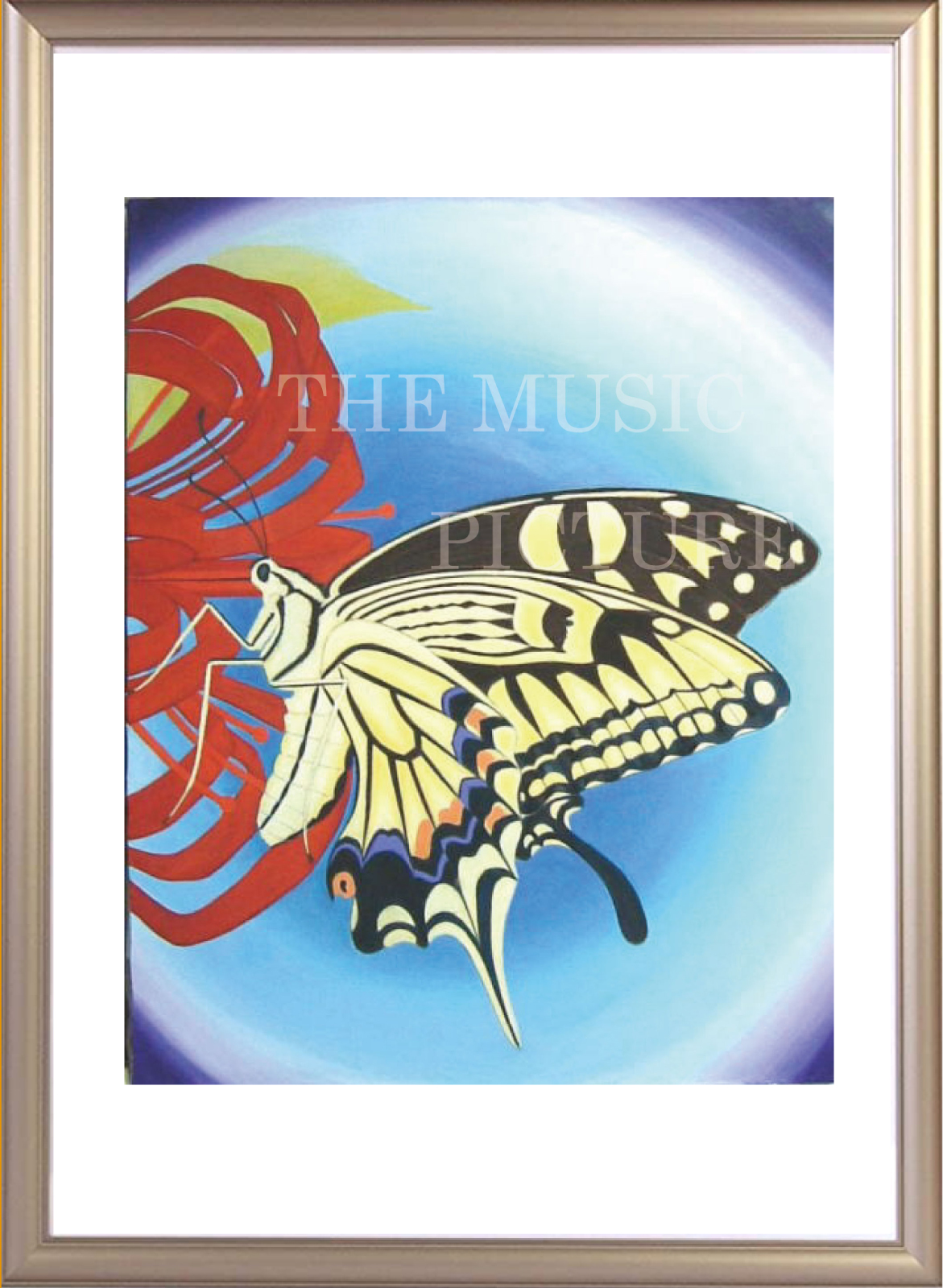
I began using soft pastels after the age of forty, at a time when I was struggling to paint highly realistic images such as the swallowtail butterfly shown in the photograph.
It was then that I had the insight to use pastel.
With pastel, simply drawing on paper can beautifully reproduce textures such as the powdery scales on butterfly wings.
For me, as a Japanese artist, oil painting is a medium that I cannot fully control—just as many renowned Japanese painters of the past, such as Okano Kashinosuke and Umehara Ryuzaburo, struggled with it—whereas pastel is a medium I can control completely.
“In baseball, once you establish a batting form that works, you should use that one form thoroughly for everything,” says Isao Harimoto, the record holder for the most hits in Japanese professional baseball, in his book 『Strongest Batting Theory』. In the same way, by creating works on all kinds of subjects using pastel and colored pencils, I have developed my current style.
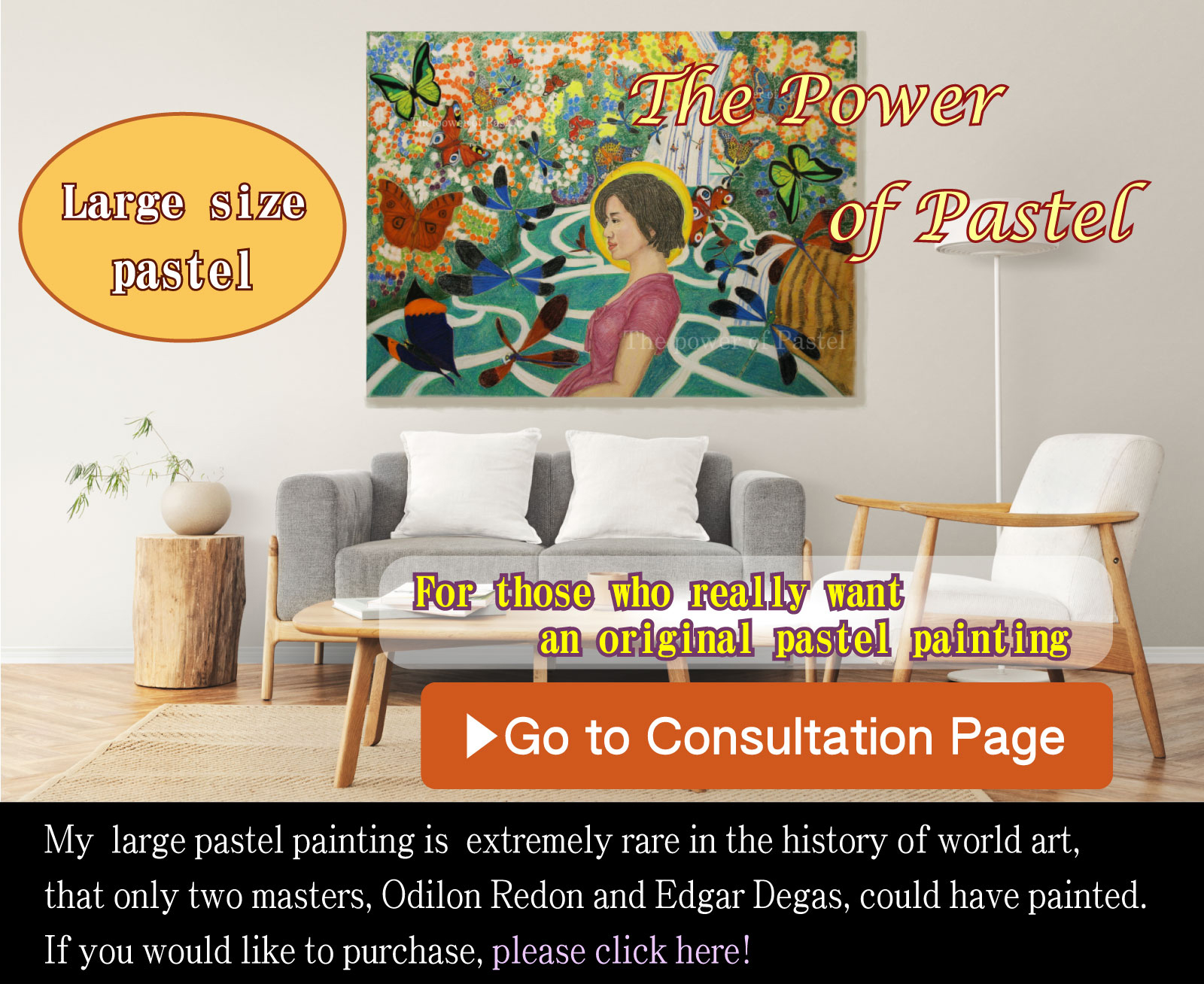
Only Redon, Degas, La Tour, and Yazaki Chiyoji: Painters who created large-scale pastel works are extremely rare in art history.

In Japan, the representative artist is Chiyoji Yazaki, who lived through the Taishō and Shōwa periods and also co-developed Gondola Pastels, Japan’s first domestically produced pastels.
Why there are so few pastel painters is not entirely clear to me (laughs).
Rather, in today’s era dominated by acrylic paints, I find it more puzzling why more artists do not work with pastels and colored pencils.
Why do I paint with pastels and colored pencils?
The most important reason is that they allow me to easily express the vivid, delicate, and lyrical colors characteristic of Japanese art, which are traditionally achieved with mineral pigments (iwa-enogu) and suihi pigments.
Redon and Degas were also greatly influenced by Japanese ukiyo-e prints.
The art historian Kunio Motoe described Redon’s color as “celestial color that can only be called innate genius”, and such color is difficult to achieve with oil paint.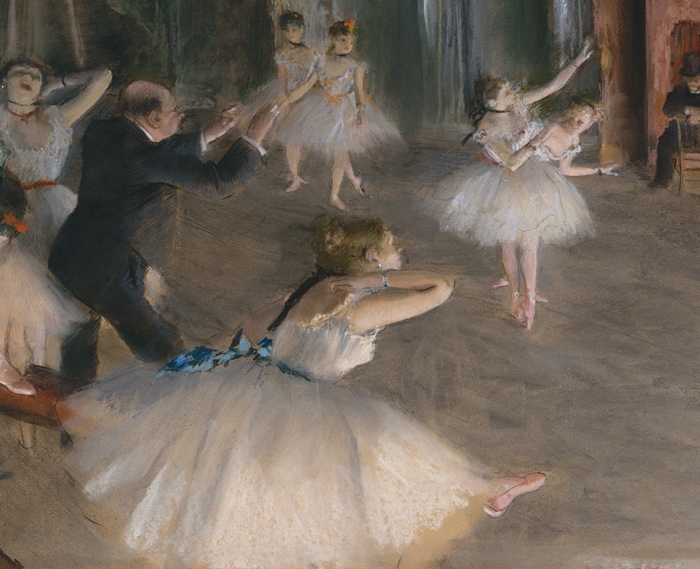
In fact, until I turned forty, I painted with oil and acrylics, and also partially with mineral and suihi pigments, but perhaps because I am Japanese,
I found that I could never fully control the act of dissolving pigments in oil or water and applying them with a brush.
Please look at the image above of Redon’s “In Praise of Leonardo da Vinci.”
It truly resembles Japanese painting, does it not?
In fact, the works of masters from schools such as the Kano school and Rinpa are even more subdued in color.
Umehara Ryuzaburo, often called the “emperor” of the Japanese art world, said: “Redon’s paintings are very Japanese and extremely beautiful. They do not feel commercial; they are pure and refined.” (From Umehara’s *Ten’i Muhō*, Kyuryudo)
Umehara himself, from around the time he painted his masterpiece “Autumn in Beijing,” came to feel that mineral pigments were more beautiful than oil paints and shifted toward Japanese-style painting using such materials.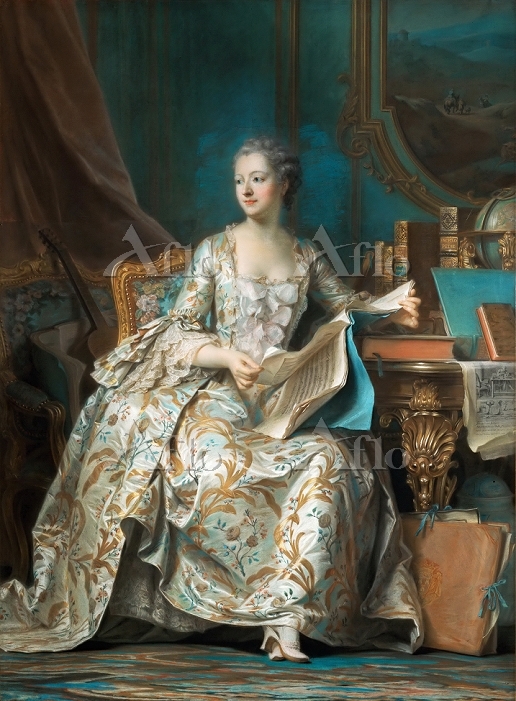
At that time, Redon’s reputation was not yet firmly established even in Paris, and art historian Kunio Motoe described this as “astonishing foresight.”
The painters of the Kyoto school, confronted with European art, were struggling to find a path forward for the next generation of Japanese painting. It is believed that what helped them break through was Redon’s works, which combined Japanese-like color with freely abstract lines.
What do you think? From the perspective of aiming to fuse and integrate Japanese and Western color and art, working with pastel on paper is extremely rational.
Rather, there is no more suitable medium. However, its significant weakness is its lack of durability, which makes it unsuitable, especially for large-scale works.
Can you name any great masters who created large-scale pastel works other than Redon, Degas, La Tour, and Yazaki Chiyoji?
There are none, are there?
I believe you can now understand how rare my comparatively large-scale pastel works are, both in art history and even today.